


A Home Emergency Preparedness Guide for Real Life

A power outage at 9 p.m., a fast-moving storm warning, or a water main break can turn ordinary routines upside down quickly. A good home emergency preparedness guide is not about filling a room with expensive gear. It is about making a few practical decisions before you are tired, worried, or trying to find a flashlight in the dark.
For most households, the best plan is simple enough that everyone can follow it. Start with the emergencies most likely to affect your area, then build supplies and routines around your home, your household members, and the time you may need to manage without power, water, or easy travel.
Start With the Emergencies You Are Most Likely to Face
Emergency planning looks different in coastal Florida than it does in rural Montana or a Midwest suburb. Hurricanes, tornadoes, wildfires, winter storms, flooding, extreme heat, earthquakes, and extended power outages each create different risks. You do not need to prepare for every possible event at once, but you should know which ones deserve your attention first.
Think through what could make your home temporarily unsafe or difficult to use. A severe storm may knock out electricity and close roads. A wildfire may require a fast evacuation. A burst pipe may mean shutting off water and protecting valuables. This step helps prevent a common mistake: buying supplies that sound useful but do not solve the problems your family is most likely to encounter.
Also consider your household's daily needs. Young children, older adults, pets, mobility limitations, medication needs, and reliance on powered medical devices all change what a practical plan should include. Preparedness is personal, so a one-size-fits-all checklist is only a starting point.
Build a Home Emergency Preparedness Guide Around Three Priorities
Most emergencies come down to three questions: Can you stay safe where you are? Can you leave quickly if needed? Can you communicate with each other if plans change?
Make your home safer for sheltering in place
For many short emergencies, staying home is safer than driving through dangerous conditions. Store enough basic supplies to cover at least several days, including drinking water, shelf-stable food, necessary medications, pet food, hygiene items, and backup lighting. Rotate food and batteries as part of your regular household routine so the supplies are still usable when you need them.
Water deserves extra attention. A practical target is about one gallon per person per day for drinking and basic sanitation, with additional water for pets. That amount can take up space, so use a mix of portable containers and larger stored water supplies if your home allows it. Apartment residents may need to prioritize compact containers and keep their plan focused on a shorter period.
Keep lighting where it is easy to reach. Flashlights and battery-powered lanterns are safer than relying on candles, which create a fire risk when people are moving around in a dark home. A small rechargeable light in a bedroom, kitchen, and hallway can make a sudden outage far less stressful.
Prepare a grab-and-go bag
A home supply kit and an evacuation bag are related, but they serve different jobs. Your home kit supports you while staying put. A grab-and-go bag helps you leave without scrambling for essentials.
Keep the bag in an accessible spot near an exit, and review it twice a year. It should be light enough for the person carrying it. Include copies of key documents in a waterproof pouch, a phone charging cable and power bank, prescription information, a change of clothes, basic toiletries, cash in small bills, and a compact first-aid kit. Add a map of your local area in case cell service or navigation apps are unavailable.
If you have pets, prepare a separate carrier-ready kit with food, water, waste bags, medications, vaccination records, and a leash or harness. Emergencies are harder on animals, too, and many shelters have specific rules for pets.
Set a communication plan before phones are unreliable
Choose one out-of-area contact who can serve as a central check-in person. During a regional emergency, a short text message may go through even when a phone call does not. Make sure each household member knows that person's number and has a simple plan for where to meet if you are separated.
For families with children, include school, daycare, and caregiver pickup arrangements. For roommates, agree on who is responsible for pets, medications, and turning off utilities if you must leave. These are small details, but they reduce confusion when time matters.
The Supplies That Earn Their Space
Emergency gear should be dependable, easy to use, and stored where it makes sense. There is no need to buy every item marketed as survival equipment. Focus first on everyday tools that address common problems: light, clean water, food, warmth, communication, first aid, and basic repairs.
A useful home kit may include:
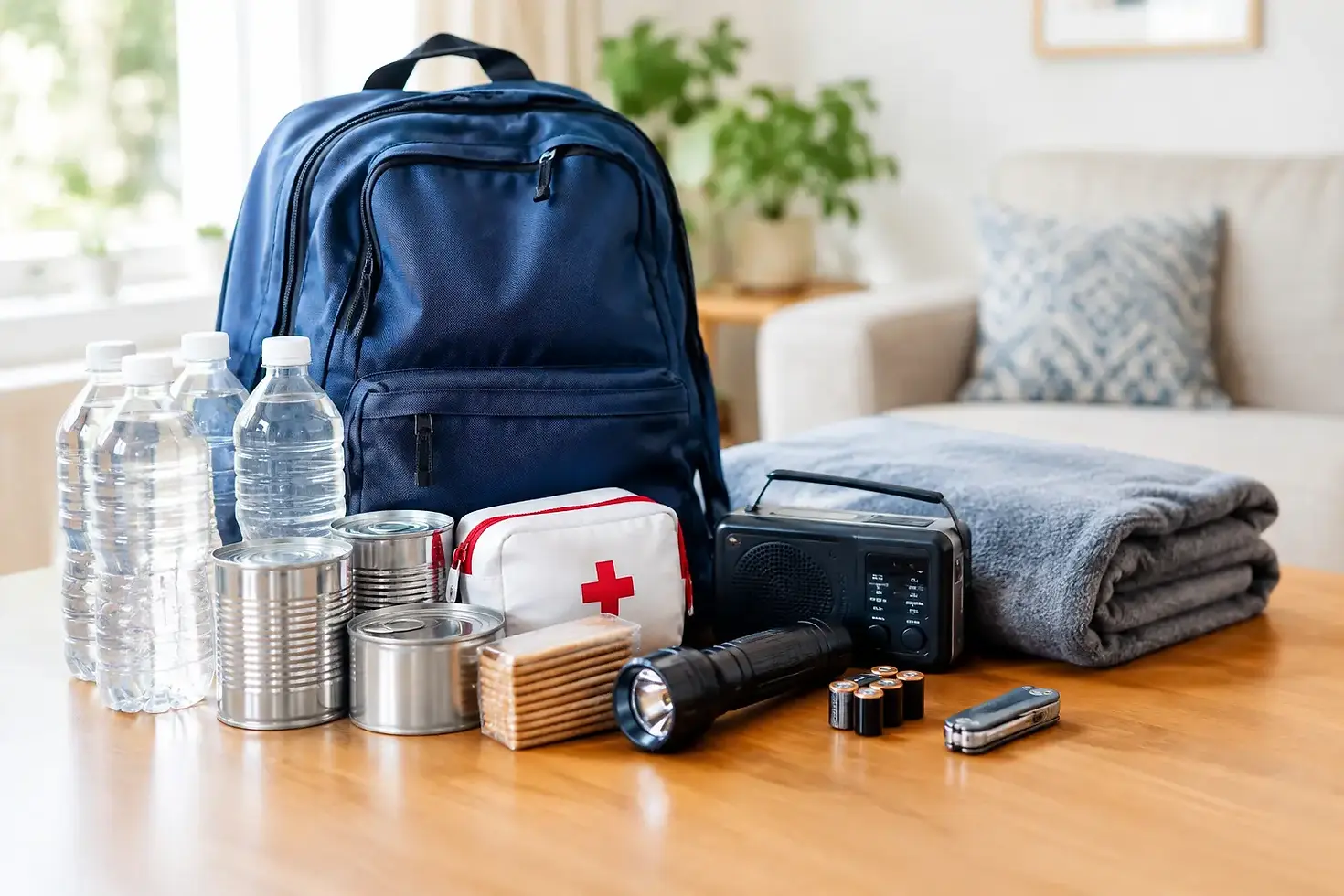
Flashlights or lanterns, spare batteries, and a charged power bank
A first-aid kit, prescription medications, and copies of medical information
Nonperishable food, a manual can opener, water, and pet supplies
A battery-powered weather radio and a whistle
Work gloves, a multi-tool, duct tape, and basic cleanup supplies
Blankets, warm layers, rain gear, and sturdy shoes
Store these items in clearly labeled bins or backpacks rather than scattering them across closets, drawers, and the garage. The right storage setup depends on your space. A homeowner may keep a larger kit in a utility room, while an apartment resident may need a compact bin in a hall closet. Either approach works if everyone knows where it is.
Practical tools can also help with the smaller problems that often accompany bigger emergencies. A portable light, waterproof storage pouch, car charger, compact tool kit, or durable pet travel accessory may not seem dramatic, but each can remove a source of stress. North Peak Stores focuses on useful everyday gear because preparation usually works best when the items are simple enough to use year-round.
Know How to Shut Off What Matters
In certain emergencies, knowing how to turn off a utility can prevent further damage. Learn the location of your main water shutoff valve, electrical panel, and gas shutoff. Label them clearly if needed, and make sure other adults in the home know what they are for.
There is an important trade-off with gas service: do not turn it off casually. If you shut off natural gas, you may need your utility provider or a qualified professional to restore service. Follow local emergency guidance, especially after an earthquake, suspected leak, or major damage. If you smell gas or hear hissing, leave immediately and contact emergency services or the gas company from a safe location.
For water leaks, a quick shutoff can save flooring, furniture, and a lot of cleanup. Consider keeping a wrench or appropriate shutoff tool nearby if your setup requires one.
Plan for Power Outages Without Creating New Risks
A prolonged outage changes the way a home functions. Keep refrigerator and freezer doors closed as much as possible, use coolers with ice for frequently needed items, and avoid opening windows during extreme heat or cold unless doing so improves safety.
Never run a generator, grill, camp stove, or fuel-burning heater inside the home, garage, basement, or near open windows. Carbon monoxide can build up quickly and cannot be seen or smelled. If you use a generator, operate it outdoors and well away from doors, windows, and vents. Working smoke alarms and carbon monoxide detectors are a basic part of preparedness, especially when using backup power or alternative heating methods.
For renters, it is worth asking your property manager about building backup systems, evacuation procedures, and how emergency notices are shared. For homeowners, review your insurance details and take current photos of major rooms and valuables. Those records can make a stressful claim process more manageable later.
Practice the Plan When Nothing Is Wrong
Supplies are only half the job. Once or twice a year, test the plan with the people who live in your home. Pick a meeting place, practice locating flashlights, confirm the water shutoff location, and check that everyone can access important contacts. Replace expired medications, refresh stored food, and test power banks and radios.
Keep the practice short and useful. A 15-minute review after changing clocks or at the start of storm season is easier to maintain than a complicated annual project. If something feels confusing during a calm practice, simplify it before an emergency exposes the gap.
Preparedness is not about expecting the worst every day. It is about giving your household a calmer, more capable starting point when an ordinary day suddenly changes.


Comments